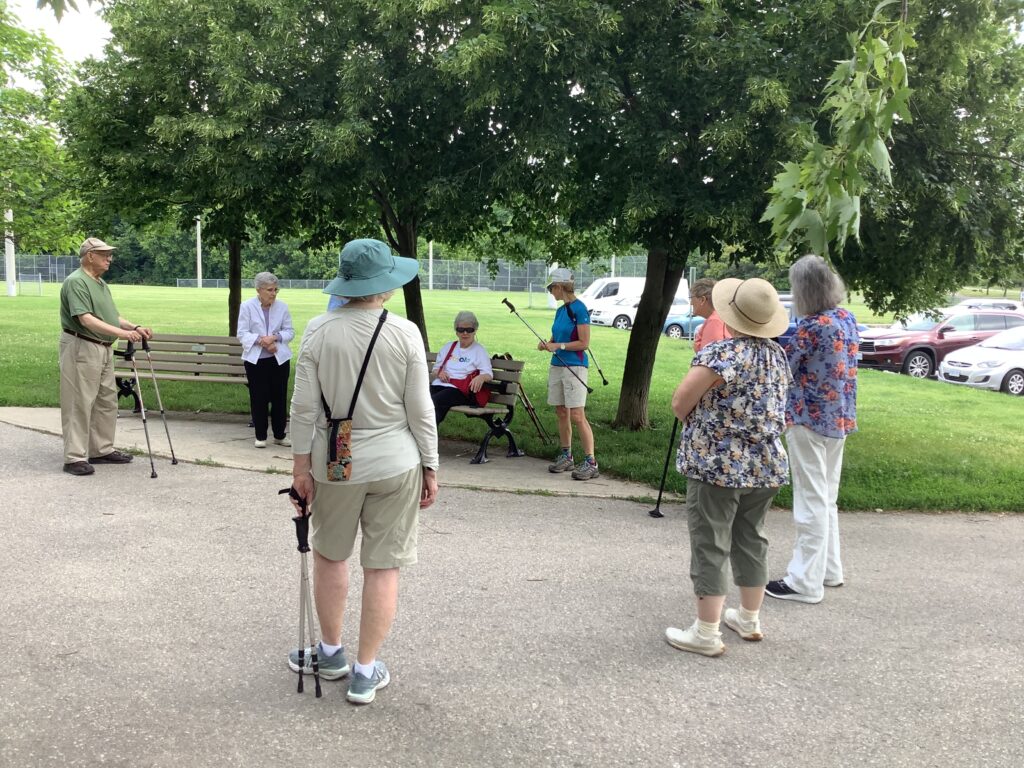
As the warm summer months are here, many seniors look forward to spending more time outdoors, enjoying family gatherings, gardening, walking, or simply soaking up the sunshine. While summer offers plenty of opportunities for fun and relaxation, it also brings unique health and safety challenges. High temperatures, strong sun exposure, and dehydration can pose serious risks, especially for older adults.
The good news is that with a few simple precautions, seniors can enjoy a safe, healthy, and active summer season. Here are some essential tips and tricks to stay cool, comfortable, and protected all summer long.
1. Stay Hydrated
One of the most important summer safety tips for seniors is staying hydrated. As we age, our bodies become less efficient at regulating temperature and recognizing thirst, making dehydration more likely.
Hydration Tips:
- Drink water regularly, even if you don’t feel thirsty.
- Keep a reusable water bottle nearby.
- Enjoy water-rich foods such as watermelon, cucumbers, oranges, strawberries, and celery.
- Limit alcohol and excessive caffeine, which can contribute to dehydration.
- Set reminders to drink water throughout the day.

Warning Signs of Dehydration:
- Dizziness or lightheadedness
- Dry mouth
- Fatigue
- Dark-colored urine
- Headaches
If any of these symptoms occur, increase fluid intake immediately and seek medical advice if symptoms persist.
2. Dress for the Weather
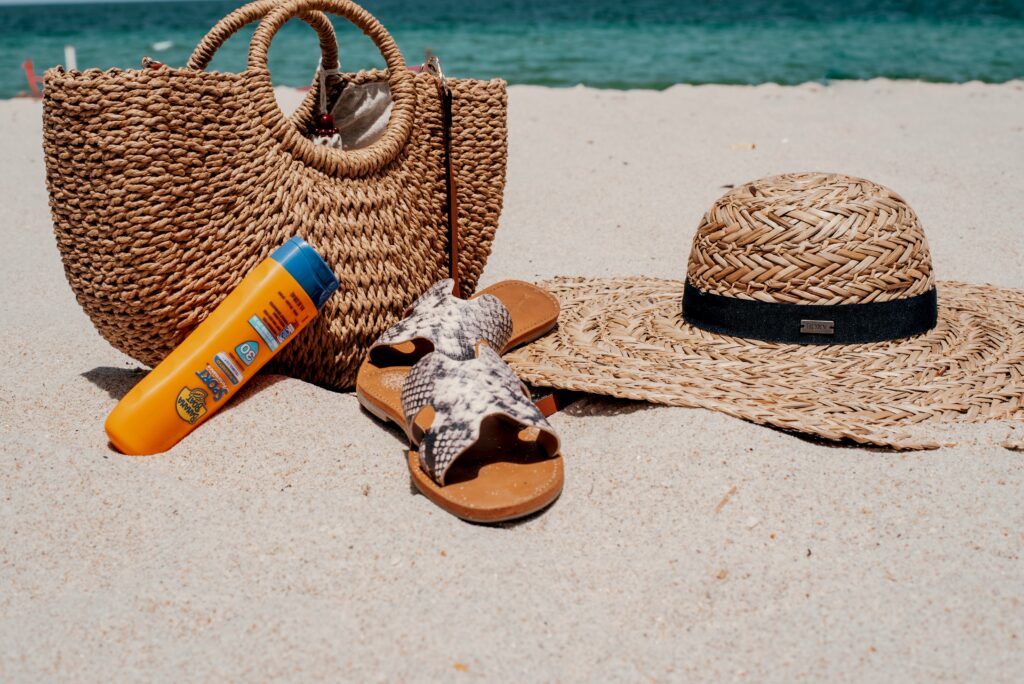
Wearing the right clothing can make a significant difference in staying cool and preventing heat-related illnesses.
What to Wear:
- Lightweight, loose-fitting clothing
- Light-colored fabrics that reflect sunlight
- Wide-brimmed hats for shade
- Comfortable sandals or breathable shoes
- UV-protective sunglasses
Natural fabrics such as cotton and linen are especially helpful because they allow air circulation and help reduce body heat.
3. Protect Your Skin
Sunburn isn’t just uncomfortable. It can increase the risk of skin cancer and premature skin aging.
Sun Safety Tips:
- Apply broad-spectrum sunscreen with SPF 30 or higher.
- Reapply sunscreen every two hours and after swimming or sweating.
- Wear long sleeves and a hat when outdoors for extended periods.
- Seek shade whenever possible.
The sun’s rays are strongest between 10 a.m. and 4 p.m., so consider outdoor activities during the early morning or evening hours.
4. Avoid Heat-Related Illnesses
Heat exhaustion and heat stroke are serious medical emergencies that affect seniors more frequently than younger adults.
Watch for Symptoms of Heat Exhaustion:
- Excessive sweating
- Weakness
- Nausea
- Rapid heartbeat
- Cool, clammy skin
Signs of Heat Stroke:
- High body temperature
- Confusion or disorientation
- Hot, dry skin
- Loss of consciousness
If you suspect heat stroke, call emergency services immediately and move the person to a cool location while waiting for help.
5. Keep Your Home Cool
Staying indoors during extreme heat is often the safest option.
Ways to Stay Comfortable:
- Use air conditioning when possible.
- Close blinds and curtains during peak sunlight hours.
- Use fans to improve air circulation.
- Take cool showers or baths.
- Spend time in community cooling centers, libraries, or shopping malls if your home becomes too warm.
Seniors who live alone should have someone check in regularly during heat waves.
6. Be Mindful of Medications
Some medications can increase sensitivity to heat and sunlight or affect hydration levels.
Important Steps:
- Review medications with your doctor or pharmacist.
- Ask about heat-related side effects.
- Store medications according to label instructions, especially during hot weather.
- Never leave medications in a hot car.
Understanding how medications interact with heat can help prevent unexpected health complications.
7. Stay Safe During Outdoor Activities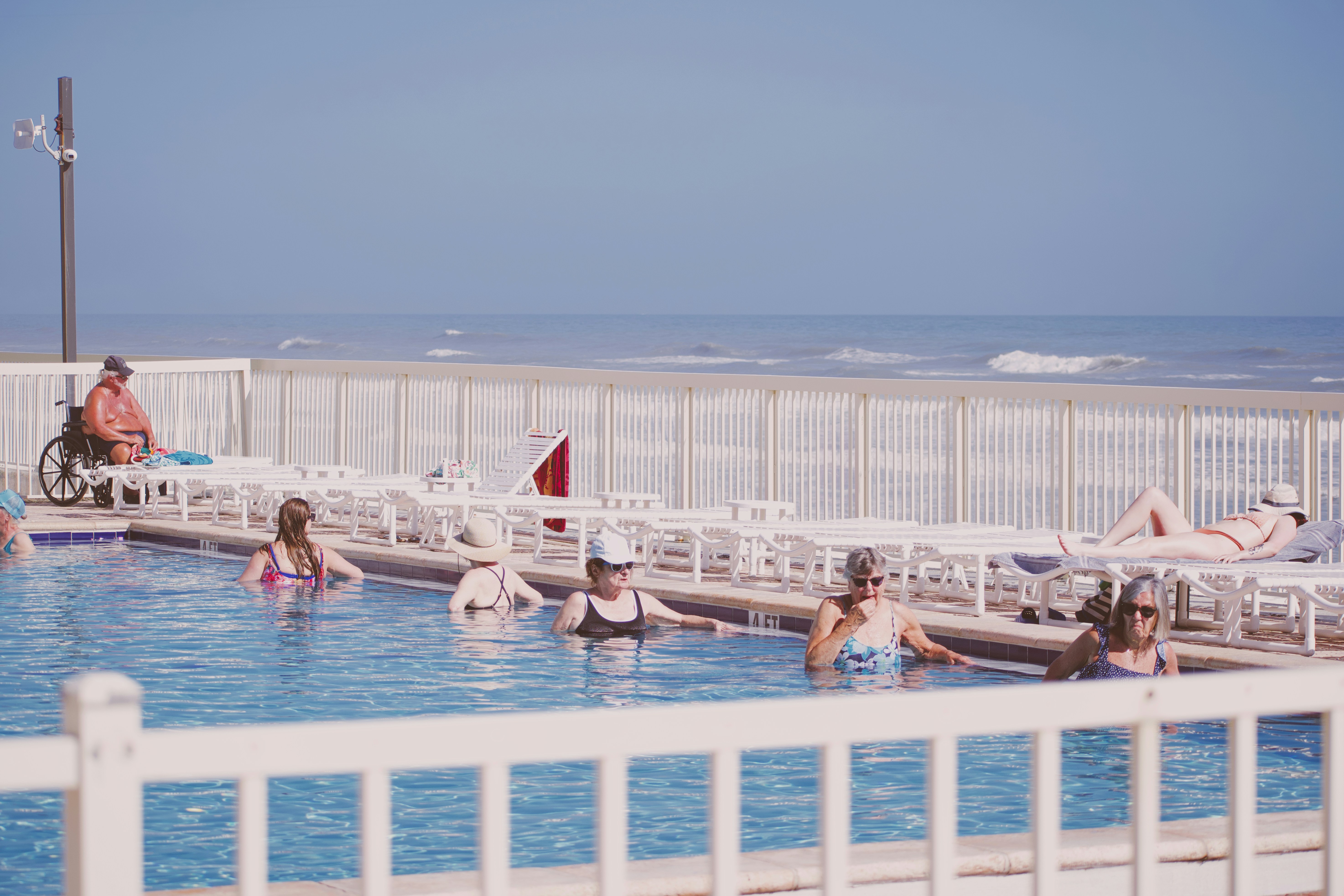
Summer is the perfect time to stay active, but it’s important to exercise safely.
Smart Outdoor Habits:
- Walk during cooler morning or evening hours.
- Take frequent breaks in shaded areas.
- Carry water with you.
- Use walking aids if needed.
- Avoid strenuous activity during peak heat.
Activities like gardening, gentle stretching, swimming, and leisurely walks are excellent ways to stay fit while minimizing heat exposure.
8. Prepare for Summer Emergencies
Weather conditions can change quickly during the summer. Being prepared helps reduce stress and improves safety.
Create a Summer Safety Plan:
- Keep emergency contact numbers handy.
- Have a portable phone charger available.
- Maintain a supply of water and non-perishable food.
- Monitor local weather alerts.
- Prepare for power outages by keeping flashlights and batteries accessible.
A little preparation can make a big difference when emergencies arise.
9. Watch Out for Insects
Mosquitoes, ticks, and other insects are more active in warmer months and can carry diseases.
Prevent Bug Bites:
- Use insect repellent approved for your area.
- Wear long sleeves and pants when hiking or gardening.
- Check for ticks after spending time outdoors.
- Remove standing water around your home where mosquitoes may breed.
Protecting against insect bites is an often-overlooked part of summer health and safety.
10. Stay Connected
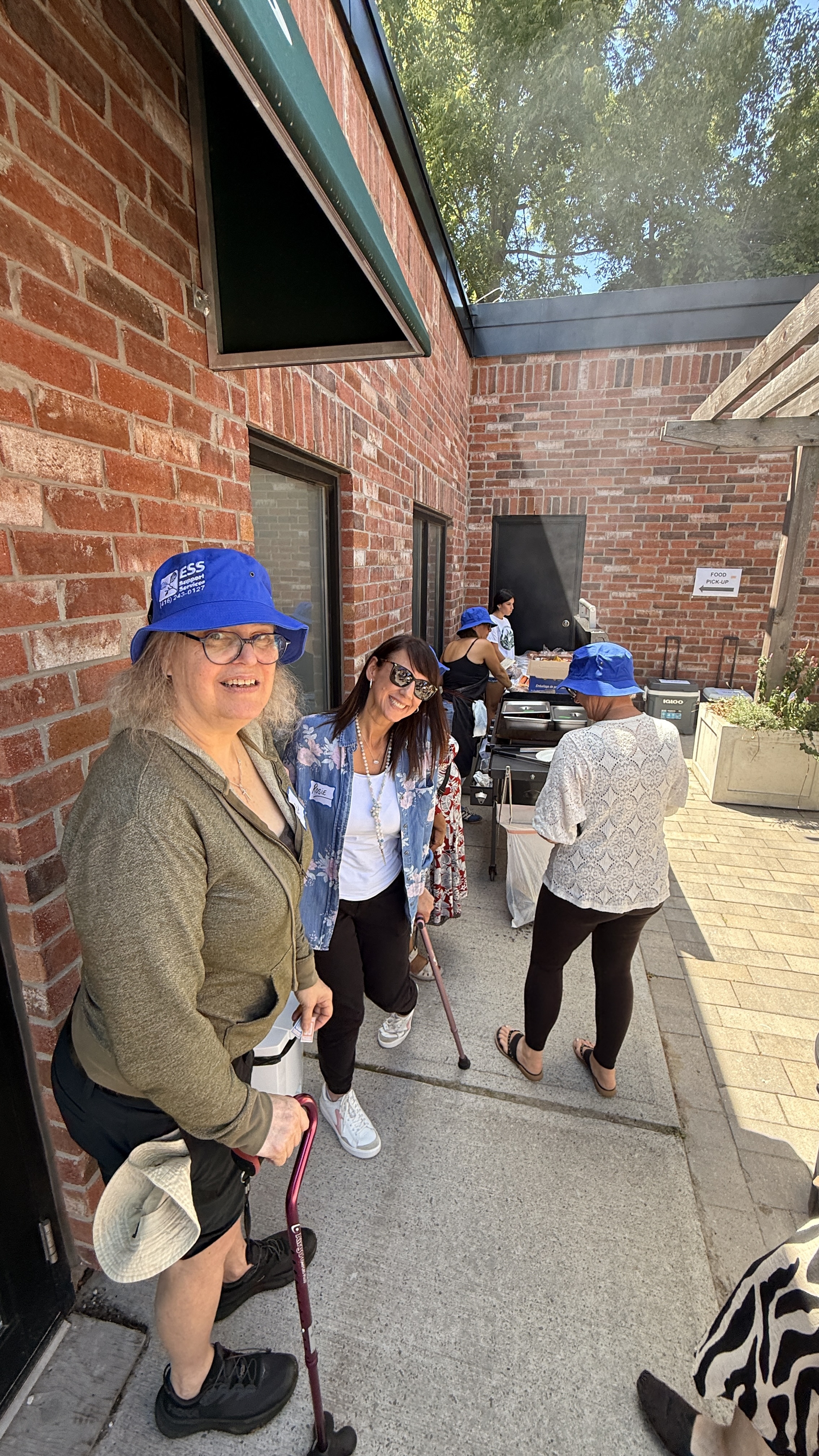
Summer safety isn’t just about physical health. Social connections play an important role in overall well-being.
Ways to Stay Engaged:
- Attend community events and senior programs.
- Schedule regular visits with family and friends.
- Join walking groups or hobby clubs.
- Participate in virtual gatherings if outdoor temperatures are too high.
Staying socially connected helps reduce feelings of isolation and supports emotional wellness.
Final Thoughts
Summer is a wonderful time to enjoy the outdoors, spend time with loved ones, and stay active. By staying hydrated, protecting yourself from the sun, monitoring heat exposure, and maintaining regular social connections, seniors can safely enjoy everything the season has to offer.
Remember, a little planning goes a long way. Taking simple precautions today can help ensure a safer, healthier, and more enjoyable summer tomorrow.
Stay cool, stay hydrated, and make the most of the sunny season! ☀️💙
Quick Summer Safety Checklist for Seniors
✅ Drink plenty of water
✅ Wear lightweight clothing and sunscreen
✅ Avoid outdoor activities during peak heat
✅ Keep your home cool
✅ Check medications for heat sensitivity
✅ Watch for signs of heat exhaustion
✅ Use insect protection
✅ Stay connected with family and friends
✅ Monitor weather conditions
✅ Have an emergency plan in place
Author
Shiroman is a dedicated Marketing and Communications Specialist at ESS Support Services, driven by a passion for the non-profit sector and enhancing the well-being of seniors. With a strong commitment to community service, he uses his expertise to make meaningful contributions that support aging with dignity and joy. Through his work, Shiroman shares valuable insights, resources, and research to empower seniors and those who care for them. Outside his professional endeavors, he enjoys diving into self-help books, weightlifting, and discovering the city’s hidden gems.