Healthy Diet Eating for Seniors
A balanced diet is essential for seniors to support overall health, prevent chronic diseases, and sustain independence. As we age, physiological and lifestyle changes can affect appetite, taste, and meal preparation. However, adopting healthy eating habits can help navigate these challenges.
Key Recommendations for Healthy Eating:
- Incorporate a Variety of Nutrient-Rich Foods:
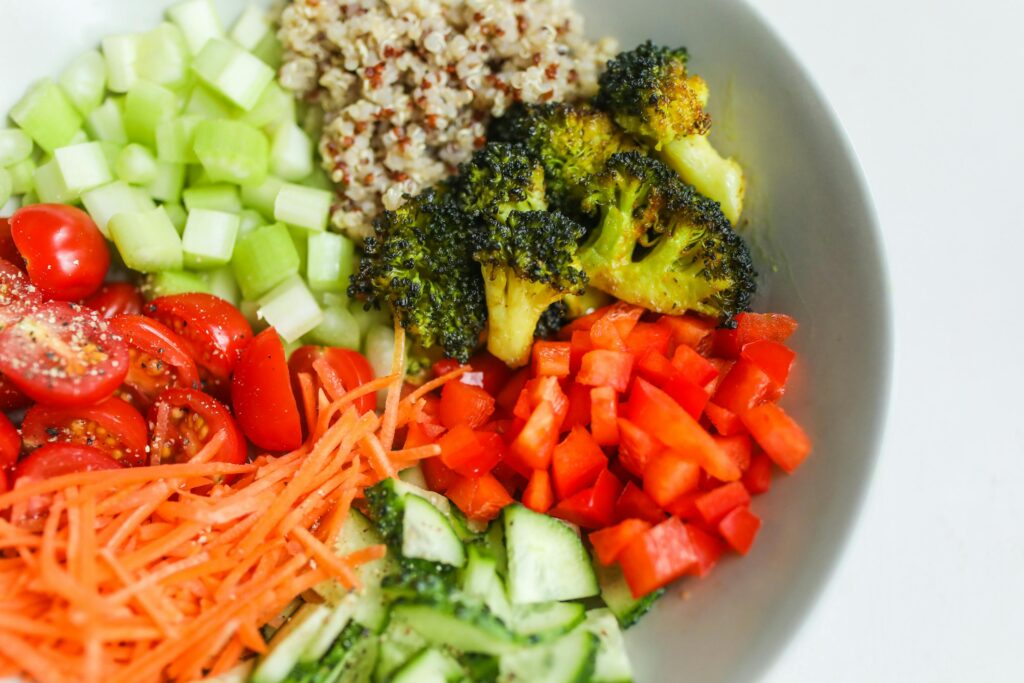
- Vegetables and Fruits: Aim for a diverse selection, including dark green vegetables such as kale and bok choy, and orange vegetables such as carrots and sweet potatoes.
- Whole Grains: To ensure adequate fiber intake, choose options such as oats, wild rice, and whole-wheat pasta.
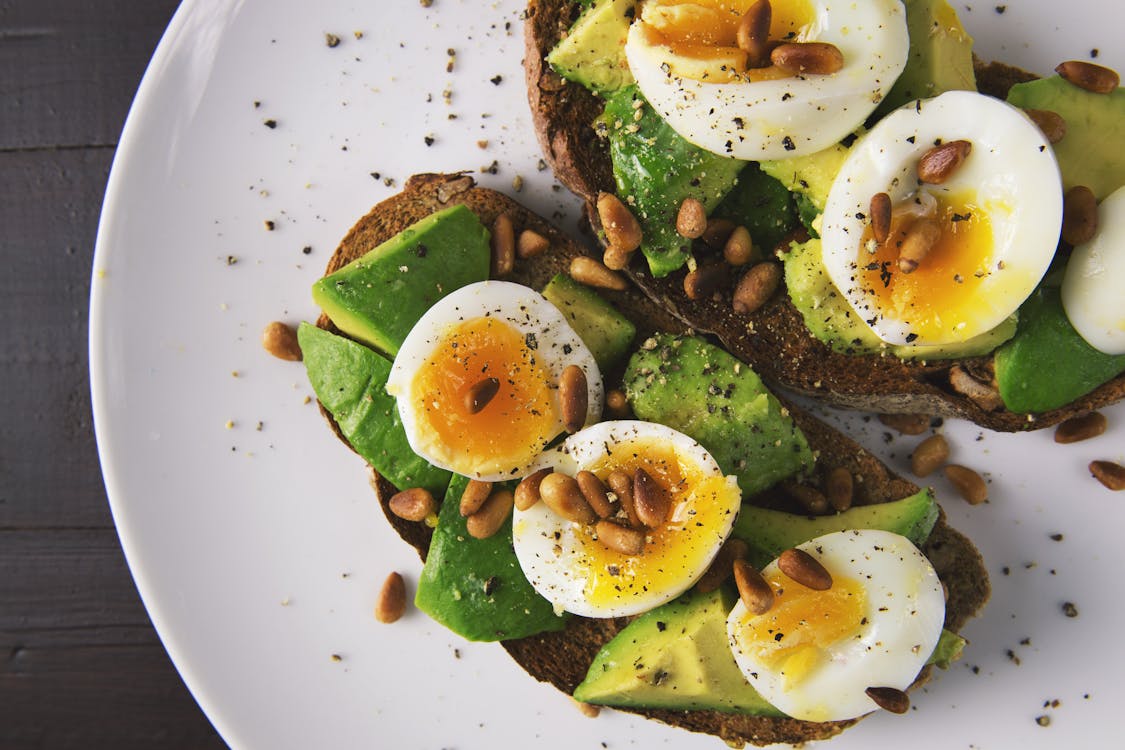
- Protein Sources: To meet protein needs, include eggs, nuts, seeds, fish, legumes, lean meats, and low-fat dairy products.
- Enhance Food Flavor and Appeal:
- If diminished taste or smell affects appetite, experiment with herbs and spices instead of salt to boost flavor.
- Vary food textures and temperatures to make meals more enjoyable.
- Stay Hydrated:
- Drink water regularly throughout the day to maintain hydration, even if you don’t feel thirsty.
- Maintain Regular Eating Patterns:
- Establish consistent meal and snack times to ensure sufficient nutrient and energy intake.
- Engage in Social Eating:

- Share meals with friends or family to enhance the dining experience and encourage better eating habits.
-
- Stay connected with peers in your community and make new friends. Our Seniors’ Lunch Program is an excellent way for independent seniors to enjoy a hot, well-balanced meal and participate in social and recreational activities in a friendly and inclusive environment.
- Plan and Prepare Meals:
- Organize meal plans and keep nutritious snacks accessible to promote healthy choices.
- Seek Support When Needed:
- If shopping or cooking is challenging, consider community resources, meal delivery services, or assistance from family and friends.
For more detailed guidance, refer to Canada’s Food Guide on healthy eating for seniors.
By embracing these practices, seniors can enhance their nutritional well-being, support healthy aging, and maintain a fulfilling lifestyle.
Author
Shiroman is a dedicated Marketing and Communications Specialist at ESS Support Services, driven by a passion for the non-profit sector and enhancing the well-being of seniors. With a strong commitment to community service, he uses his expertise to make meaningful contributions that support aging with dignity and joy. Through his work, Shiroman shares valuable insights, resources, and research to empower seniors and those who care for them. Outside his professional endeavors, he enjoys diving into self-help books, weightlifting, and discovering the city’s hidden gems.