
As we age, taking care of our health becomes even more important. While certain health conditions are more common in older adults, many can be prevented or managed with healthy habits, regular checkups, and staying active. Understanding these conditions can help seniors and caregivers take steps toward healthier aging.
Heart Disease and Stroke

Heart disease and stroke are among the most common health issues affecting seniors. Risk factors include high blood pressure, high cholesterol, smoking, and lack of physical activity.
Prevention tips
- Stay active with regular exercise, such as walking
- Eat a heart-healthy diet with fruits, vegetables, and whole grains
- Monitor blood pressure and cholesterol regularly
- Avoid smoking and limit alcohol
Type 2 Diabetes

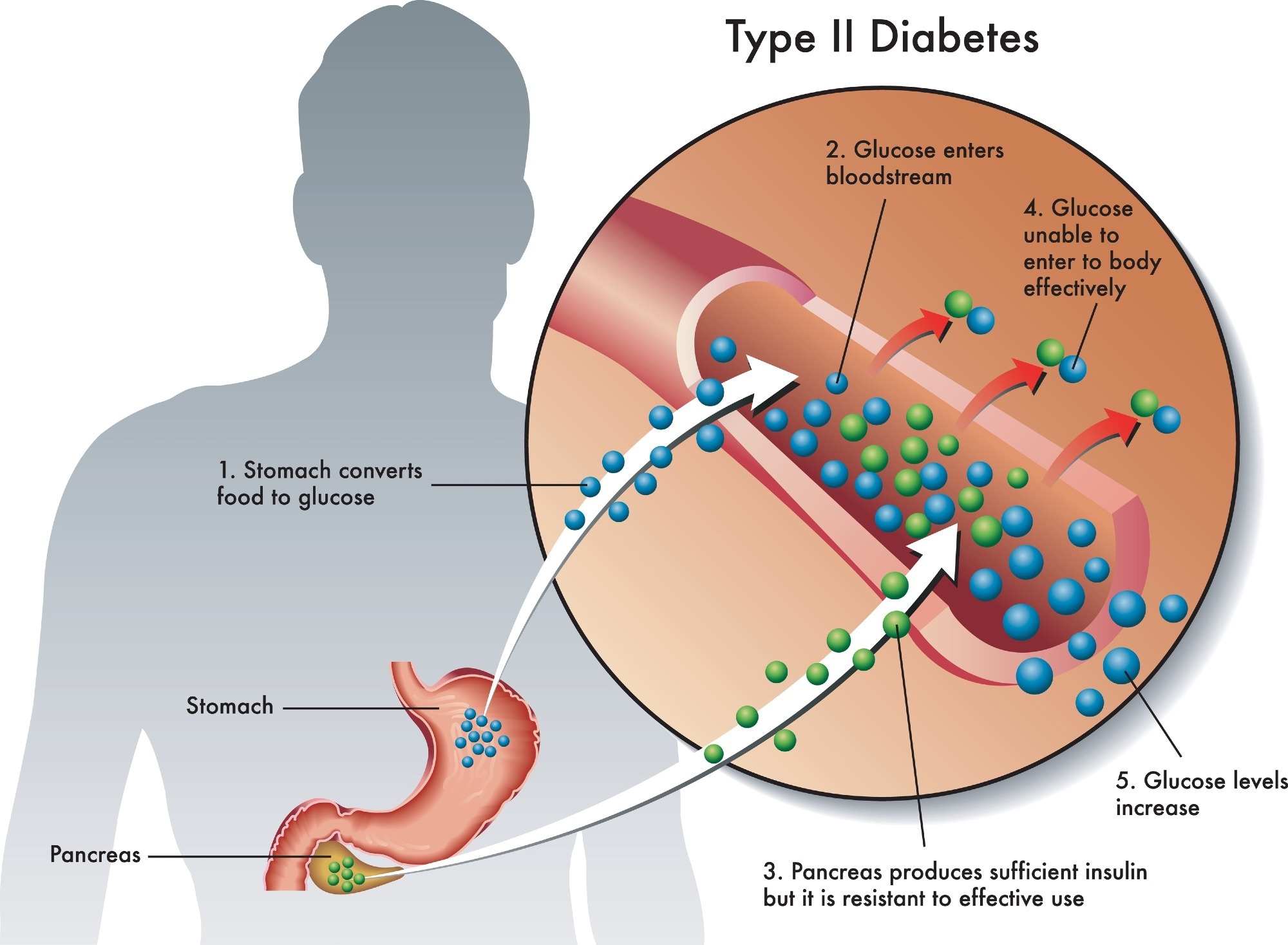
Type 2 diabetes affects how the body regulates blood sugar and is common in older adults. If unmanaged, it can lead to complications affecting the heart, eyes, and kidneys.
Prevention tips
- Maintain a balanced diet and limit sugary foods
- Stay physically active
- Maintain a healthy weight
- Attend regular medical checkups
Respiratory Illnesses

Respiratory infections such as the flu and pneumonia can be more serious for older adults.
Prevention tips
- Wash your hands frequently
- Stay up to date on vaccinations
- Maintain good nutrition and sleep
- Avoid close contact with people who are sick
High Blood Pressure (Hypertension)


High blood pressure is common among seniors and often has no noticeable symptoms, which is why it is important to monitor regularly.
Prevention tips
- Reduce salt intake
- Stay physically active
- Manage stress
- Monitor blood pressure regularly
Supporting Healthy Aging
Healthy aging is supported by simple daily habits. Seniors can improve their overall well-being by:
- Staying physically active
- Eating balanced, nutritious meals
- Getting enough sleep
- Staying socially connected
- Attending regular medical checkups
By taking proactive steps, seniors can maintain their independence, protect their health, and continue enjoying meaningful activities in their daily lives.
Here are credible health sources you can cite at the end of your blog post. These organizations provide evidence-based information on common diseases, prevention, and healthy aging—especially relevant for seniors and caregivers.
References
- World Health Organization (WHO).
Noncommunicable Diseases and Prevention.
https://www.who.int/news-room/fact-sheets/detail/noncommunicable-diseases - Centers for Disease Control and Prevention (CDC).
Healthy Aging and Chronic Disease Prevention.
https://www.cdc.gov/aging - Heart and Stroke Foundation of Canada.
Heart Disease and Stroke Prevention.
https://www.heartandstroke.ca - Diabetes Canada.
Type 2 Diabetes – Prevention and Management.
https://www.diabetes.ca - Public Health Agency of Canada.
Healthy Living and Chronic Disease Prevention.
https://www.canada.ca/en/public-health/services/chronic-diseases.html - National Institute on Aging.
Health Topics for Older Adults.
https://www.nia.nih.gov/health - Canadian Cancer Society.
Cancer Prevention and Screening.
https://cancer.ca
This article is for informational purposes only and does not replace professional medical advice. Please consult a healthcare provider for personalized medical guidance.