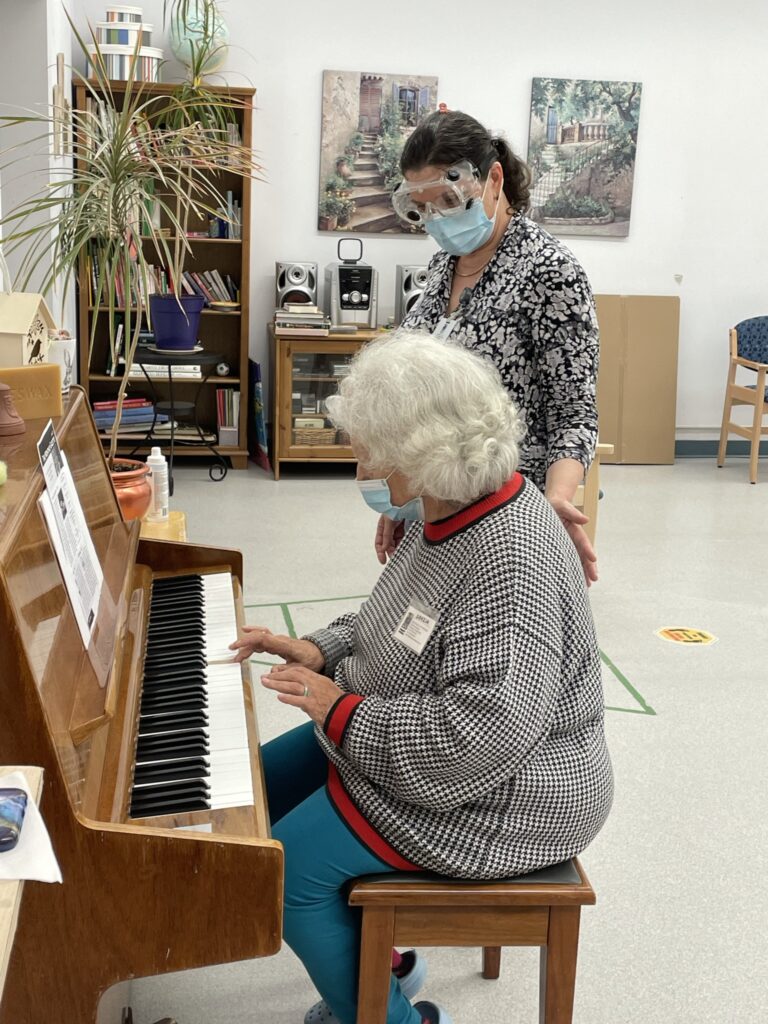
Dementia affects millions of people worldwide, with over 55 million individuals living with the condition and 10 million new cases diagnosed annually[7]. While dementia presents numerous challenges, three common issues stand out: sleep problems, depressive symptoms, and difficulty performing daily activities. Let’s explore these issues and discuss evidence-based tips to address them.
Sleep Problems
Up to 40% of people living with dementia experience sleep-related issues, such as frequently waking up at night[7]. Disrupted sleep can significantly impact both the individual with dementia and their caregivers.
Evidence-based tips to improve sleep:

1. Maintain a regular schedule with consistent wake and sleep times[2].
2. Create a bedtime routine with calming activities and avoid electronic devices before bed[2].
3. Limit daytime napping to less than 30 minutes[2].
4. Engage in physical exercise early in the day[2].
5. Increase exposure to natural light or use bright light therapy[2][5].
6. Ensure a comfortable bedroom environment with appropriate lighting[2].
7. Avoid caffeine, alcohol, and nicotine[2].
Depressive Symptoms
Depression is a common symptom in people with dementia, affecting their quality of life and ability to perform daily tasks[9].
Evidence-based interventions to reduce depressive symptoms:
1. Cognitive stimulation combined with exercise and social interaction[3][6].
2. Cognitive stimulation combined with a cholinesterase inhibitor[3][6].
3. Massage and touch therapy[3][6].
4. Multidisciplinary care approaches[3][6].
5. Occupational therapy[3][6].
6. Reminiscence therapy[3][6].
7. Animal therapy[3].
These non-drug interventions have shown to be as effective as, or even more effective than, pharmacological treatments in reducing depressive symptoms[9].
Difficulty Performing Daily Activities
As dementia progresses, individuals often struggle with everyday tasks, impacting their independence and quality of life[1].
Evidence-based strategies to support daily activities:
1. Implement cognitive rehabilitation programs, which have shown promising results in improving everyday functioning for those with mild-to-moderate dementia[7].
2. Provide occupational therapy to help maintain independence in daily tasks[3][6].
3. Establish routines for meals, personal care, and other daily activities[1].
4. Use visual cues and reminders to complete tasks [1].
5. Break complex tasks into smaller, manageable steps[1].
6. Ensure a safe home environment to prevent accidents and promote independence[1].

Addressing these common issues with evidence-based approaches can significantly improve the quality of life for individuals with dementia and their caregivers. Working closely with healthcare providers to develop personalized strategies that best suit each individual’s needs and circumstances is essential.
Discover our Adult Day Program:
This program provides support to physically frail older adults with cognitive impairments, such as Alzheimer’s and dementia. It allows caregivers to receive respite during the day to rest, recharge, and complete everyday tasks.
We provide a supportive environment with social, therapeutic, and recreational activities and gentle physical and mental exercises to stimulate and engage the individuals attending our program. Nutritional, well-balanced meals are provided throughout the day, including breakfast, afternoon snacks, and a full lunch. Click here for a sample lunch menu.
Citations:
[1] https://www.arborcompany.com/blog/5-challenges-of-living-with-dementia-and-how-to-prepare-for-them
[2] https://www.sleepfoundation.org/mental-health/dementia-and-sleep
[3] https://www.nationalelfservice.net/mental-health/dementia/dementia-and-depression/
[4] https://www.nhs.uk/conditions/dementia/living-with-dementia/behaviour/
[5] https://pmc.ncbi.nlm.nih.gov/articles/PMC3062259/
[6] https://www.bmj.com/content/372/bmj.n532
[7] https://www.mcmasteroptimalaging.org/blog/detail/blog/2024/09/15/tackling-3-common-issues-in-people-living-with-dementia-with-evidence-based-tips
[8] https://www.nia.nih.gov/health/sleep/managing-sleep-problems-alzheimers-disease
[9] https://www.mcmasteroptimalaging.org/full-article/es/people-dementia-symptoms-depression-nondrug-interventions-good-drug-3161
[10] https://www.mayoclinic.org/diseases-conditions/dementia/symptoms-causes/syc-20352013
[11] https://pubmed.ncbi.nlm.nih.gov/30638044/
Author
Shiroman is a dedicated Marketing and Communications Specialist at ESS Support Services, driven by a passion for the non-profit sector and enhancing the well-being of seniors. With a strong commitment to community service, he uses his expertise to make meaningful contributions that support aging with dignity and joy. Through his work, Shiroman shares valuable insights, resources, and research to empower seniors and those who care for them. Outside his professional endeavors, he enjoys diving into self-help books, weightlifting, and discovering the city’s hidden gems.